Source code care · Kyiv
A calmer tone
for your code.
Review. Refactor. Take over.
Continue what is worth keeping.
toni / 01
Keep what matters. Remove what gets in the way.
A working product does not need a new beginning every time its team changes. It needs understandable code, considered updates and people who investigate before proposing changes. TONI UKRAINA cares for existing web and mobile projects: examining code, simplifying difficult areas, documenting decisions and maintaining releases. We do not promise to remove every risk with a single audit. Instead, we make the next decision clearer: what is obstructing development, what can safely remain and what needs attention before another release. The starting point is your situation, not a preferred technology or a predetermined rewrite. Existing knowledge deserves to be preserved alongside the software itself.

toni / 02
First, a careful reading.
A code review starts with the decision it needs to support. A product owner may be considering a handover; an engineering team may need to understand dependencies or recurring release problems. We agree repository boundaries, environment access and important user journeys before inspecting structure, build reproducibility, dependencies, error handling and existing tests. Findings distinguish observed behaviour from assumptions. The deliverable is a prioritised action list with consequences explained, rather than a long catalogue of stylistic preferences. Some conclusions remain provisional without a representative environment. We state those limits explicitly, so a report is not mistaken for a guarantee about parts of the system that were never examined.
Read the detail ↗toni / 03
Less friction within.
Refactoring should make a specific task easier: changing a rule, tracing a fault or updating a library. We select a bounded area, describe the behaviour that must remain and agree how to check it. That might mean characterisation tests, manual journeys or output comparisons in a test environment. Changes arrive in reviewable portions rather than a single opaque replacement. When leaving a module alone is more sensible than reorganising it for appearance, we explain that option. A full rewrite is not the default answer. The result should include clearer structure and a record of intent, boundaries and checked behaviour that the next developer can actually use.
Read the detail ↗toni / 04
A handover that keeps the context.
When a previous team steps away, changing every account at once can create avoidable disruption. We first map ownership: repositories, hosting, domains, external services, store accounts and release procedures. Your organisation should retain ownership. Access is arranged through agreed invitations and limited roles; passwords do not belong in a contact form. We check whether someone new can build the application from its instructions, which operations are manual and where approvals are needed. Missing source code or unclear rights to a component can materially change the plan. Those questions belong before delivery commitments, not after maintenance has already begun. The handover should make responsibilities clearer on both sides.
Read the detail ↗toni / 05
Knowledge that stays.
Useful documentation answers a question at the moment work happens. How do I run this project? Where is configuration changed? What needs checking before publication? We prepare setup instructions, component maps, decision records and known limitations. These live beside the code or in an agreed space owned by your organisation. Describing every line is rarely worthwhile because that material quickly becomes stale. Instead, we capture knowledge that is difficult to recover from code alone and identify when it should be revisited. A handover includes asking a new reader to follow the instructions. A step that cannot be reproduced is a reason to improve the document, not blame the reader.
Read the detail ↗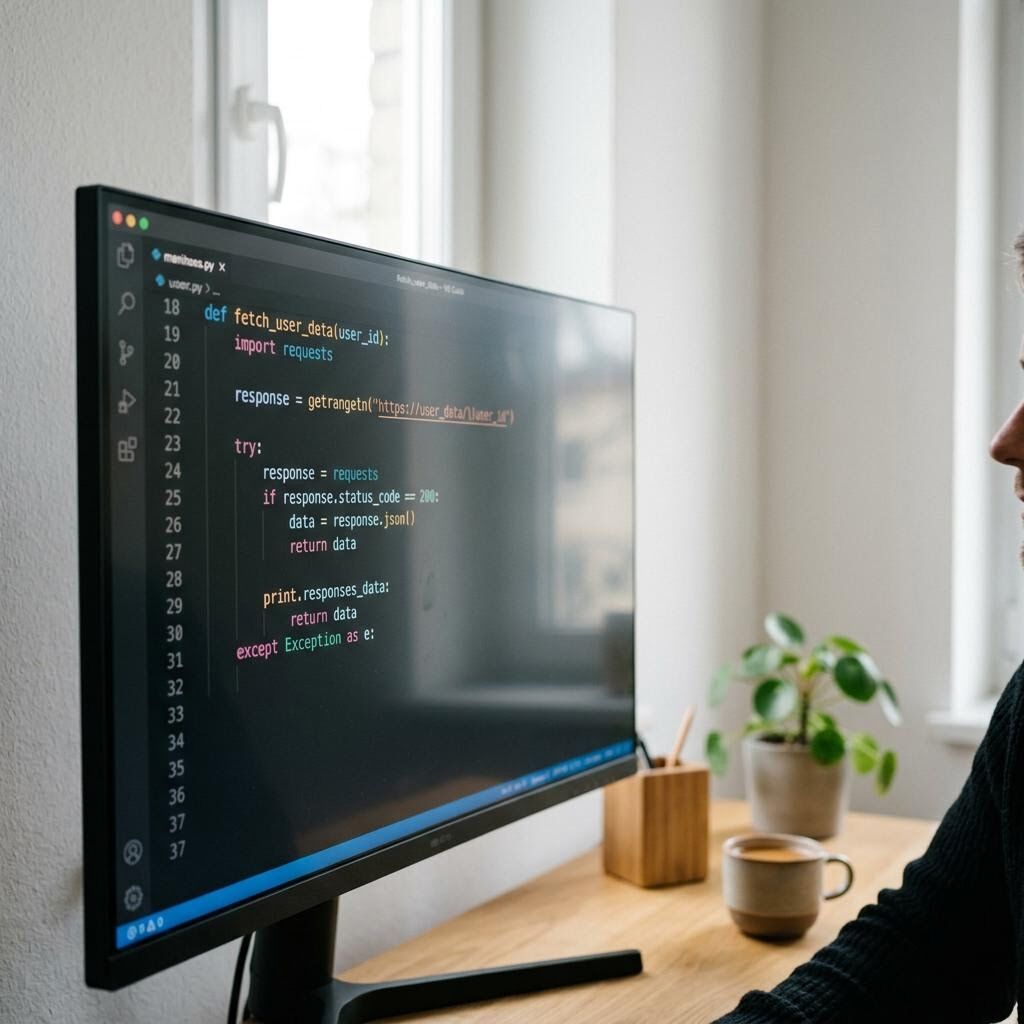
toni / 06
Updates are part of the product.
A mobile application depends on more than its own source. Store requirements, operating systems and third-party libraries keep changing. We help interpret store notices, identify the required changes and prepare an updated build. The plan covers signing, metadata, important user journeys and publication approval by the account owner. Acceptance and review timing remain decisions for the store; we cannot guarantee either. A release that requires backend changes needs those changes to be assessed explicitly rather than absorbed silently into a small update. After publication, we agree which signals to review and what recovery options exist. Rollback is not identical on every platform, and the release plan should acknowledge that.
Read the detail ↗toni / 07
Clear boundaries make calmer work.
Maintenance is not unlimited development or a round-the-clock incident service. Before work begins, we agree the components covered, office hours, enquiry channel and approval route for additional tasks. A defect, a changed requirement and a change in an external service are different situations requiring different evidence. An unavailable platform, a lost account or a missing licence cannot necessarily be resolved by editing code. We explain dependencies before implementation and flag when investigation changes an estimate. You can approve the next step or pause with the findings already prepared. The aim is to leave you with a clearer understanding of the project, even when proceeding is not the right decision.
toni / 08
Evidence before reassurance.
Readiness is judged against agreed criteria, not the confidence of a demonstration. For important journeys we describe starting conditions, expected results and the environment used for checking. Tests complement code review rather than replace it; manual checks do not prove the absence of every defect. A delivery includes the changes, checks performed and unresolved questions. If device availability or missing data limits coverage, that is visible in the record. The product owner can then make an informed release decision. We do not invent improvement figures to make maintenance sound more impressive. The value of a change has to be understood within the system, constraints and user needs it was intended to address.
toni / 09
Find the right point of entry.
You do not have to know the name of the service you need. Choose the situation below to prepare a useful first conversation; the recommendation is not a substitute for technical investigation. Unfamiliar code often calls for a bounded review. A known but difficult module may benefit from a local refactoring plan. A supplier change usually starts with ownership and handover mapping. Tell us what should become easier and which event creates the deadline: a release, a transition or a store requirement. This tool does not collect source code or private documents. Your selection stays on the page and does not create an order, reserve capacity or imply an agreed scope.
toni / 10
Prepare the handover, not a presentation.
A first conversation needs an outline, not a polished presentation or any secrets. Identify your decision-maker, the platforms involved, the availability of source code and the next important date. Check whether your organisation owns the repositories and publication accounts. An unknown answer is useful too: uncertain dependencies should become part of investigation. The checklist below helps reveal gaps; it is not a security assessment or readiness certification. Do not send access keys, personal records or customer databases. A suitable exchange method for technical materials is agreed separately once the scope is understood. Checklist selections are not saved or automatically sent, so you remain in control of the information shared.
0 / 4 items prepared. Clarify unchecked items before the handover.
toni / 11
Always a visible next step.
Following an initial enquiry, we clarify the intended outcome, available materials and constraints. Investigation has its own boundary and deliverable; implementation has acceptance criteria and a change process. Cost and timing depend on the state of the project rather than a service label. During the work, findings and risks are explained plainly instead of obscured by technical language. At the end, code and documentation move into the agreed repository, outstanding questions are recorded and responsibility for the next release is explicit. Continuing maintenance is agreed separately. You should know what is finished, what remains and how another developer could continue without repeating the entire discovery process from the beginning.
Read the detail ↗toni / 12
Begin with what you already have.
Describe the product in a few sentences: who uses it, which platforms it runs on and what is stopping progress. Mention whether source code is available, whether the previous team remains contactable and when a decision is needed. You do not need to attach a specification or grant access immediately. For an existing maintenance issue, use the separate support form so it can be distinguished from a new enquiry. Office hours are Monday–Friday, 09:00–18:00, Europe/Kyiv. Requests outside those hours await the next working period. Our registered address is not a visitor reception. Form acceptance means an enquiry was accepted for processing, not guaranteed delivery, an agreed engagement or the start of work.
Read the detail ↗